
7 Days Masai Mara & Serengeti Wildebeest Migration Safari
This 7-day Kenya & Tanzania journey follows a practical route built around masai mara wildlife, cross-border kenya to tanzania route, northern serengeti migration areas. It suits wildlife-focused travellers who want both sides of the…
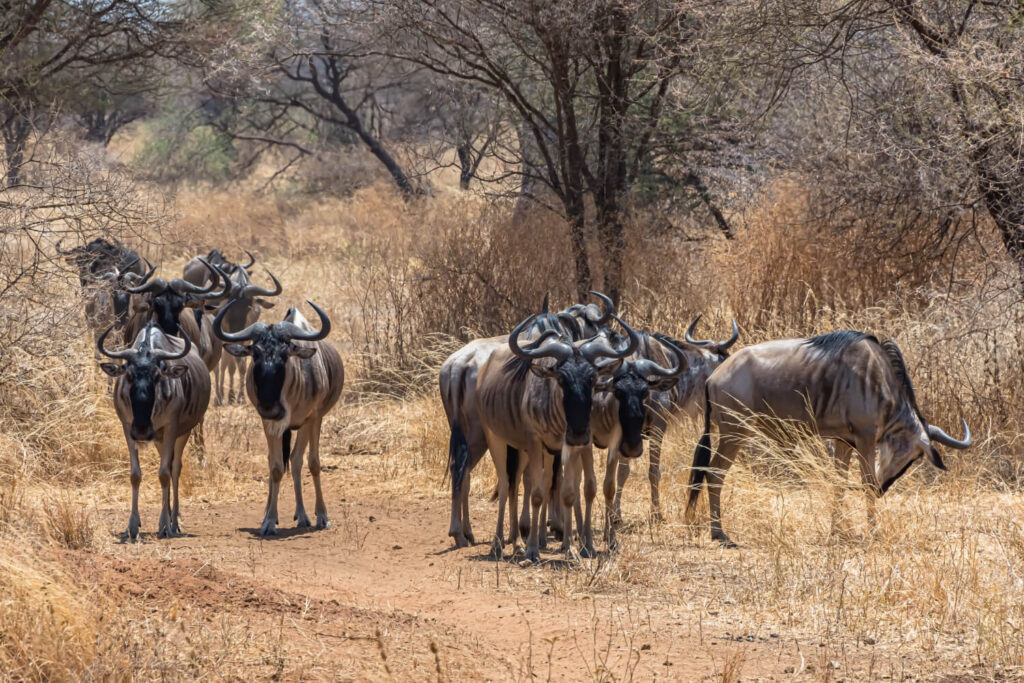
A flexible route you can make your own.
A fast-paced cross-border migration route linking Masai Mara, Northern and Central Serengeti, then Ngorongoro Crater, with wildlife drives in both Kenya and Tanzania.
What makes this route worth considering.
Masai Mara wildlife
Cross-border Kenya to Tanzania route
Northern Serengeti migration areas
Central Serengeti predators
Ngorongoro Crater
Optional Zanzibar extension
Mara Serengeti Migration Safari is designed for travellers who want a fast-paced cross-border migration route linking Masai Mara, Northern and Central Serengeti, then Ngorongoro Crater, with wildlife drives in both Kenya and Tanzania. The route uses Masai Mara National Reserve and Serengeti National Park as two of its main planning anchors. Rather than rushing through a checklist, the itinerary leaves room for realistic transfers, early starts and changes caused by weather, road conditions or wildlife movement.
The practical route centres on Masai Mara National Reserve, Serengeti National Park, Ngorongoro Crater. This itinerary works best when major activities are treated as fixed points and the lighter parts of each day remain flexible. That approach gives your guide room to respond to traffic, park conditions, animal movement and the pace of the travellers without making the journey feel rushed.
This is especially important because the journey has 7 days, so travel time has to support the main experiences instead of competing with them.
Mara Serengeti Migration Safari: tour overview
A fast-paced cross-border migration route linking Masai Mara, Northern and Central Serengeti, then Ngorongoro Crater, with wildlife drives in both Kenya and Tanzania. The emphasis is on private, customised travel with a guide who can explain landscapes, wildlife and local context as the journey unfolds. Because permits, park rules and transport schedules can change, the final version is reconfirmed before travel rather than treated as permanently fixed.
Tour highlights
- Masai Mara wildlife
- Cross-border Kenya to Tanzania route
- Northern Serengeti migration areas
- Central Serengeti predators
- Ngorongoro Crater
- Optional Zanzibar extension
Day-by-day itinerary
Day 1: Nairobi to Masai Mara
Drive from Nairobi to the Masai Mara and begin wildlife viewing in the afternoon if arrival time permits.
Day 2: Masai Mara game drives
Spend the day in the reserve, following current wildlife reports and migration movement where relevant. The pace remains flexible enough for a comfort stop, photography break or small timing adjustment when conditions on the ground make that sensible.
Day 3: Cross into Tanzania and Northern Serengeti
Travel towards the border and continue into northern Serengeti with the coordinated vehicle change and immigration process required for the route.
Day 4: Northern Serengeti
Spend the day in northern Serengeti, focusing on seasonal herd areas and river zones where appropriate without promising a crossing event. The pace remains flexible enough for a comfort stop, photography break or small timing adjustment when conditions on the ground make that sensible.
Day 5: Central Serengeti
Move south into central Serengeti for resident big cats, elephants and plains wildlife, broadening the trip beyond the migration herds.
Day 6: Ngorongoro Crater
Continue to Ngorongoro and descend into the crater for a full wildlife drive before overnighting in the highlands or nearby. The pace remains flexible enough for a comfort stop, photography break or small timing adjustment when conditions on the ground make that sensible.
Day 7: Arusha or Kilimanjaro departure
Drive to Arusha or Kilimanjaro for departure, with an optional Zanzibar extension possible if arranged.
Who this safari suits
The Mara Serengeti Migration Safari works particularly well for wildlife-focused travellers who want both sides of the migration ecosystem in a compact itinerary. It is a private journey, so departure times and smaller stops can be adjusted within the limits of park bookings, permits and transport schedules. Travellers who prefer a slower pace can add nights, while those with tighter flight schedules should avoid removing recovery time around the most demanding activities.
Best time to travel and weather
Year-round; migration-focused trips need dates matched to likely herd movement rather than a fixed promise of crossings. Seasonal patterns are useful for planning, but they are not guarantees. Rain can fall in traditionally drier months, and clear conditions can occur in wetter periods. The safest approach is to choose dates that suit your priorities, then prepare clothing and expectations for variable conditions.
For migration-focused travel, herd locations vary by rainfall and grazing, so no itinerary should promise a specific river crossing on a particular day.
Transport and road time
Private 4×4 safari vehicles arranged on each side of the border, with coordinated cross-border transfers and flights where listed. Vehicle days can feel longer than the map suggests because park roads, border procedures, wildlife stops and rural traffic affect timing. Your driver-guide plans fuel, comfort breaks and meal stops so the journey remains practical rather than racing between destinations.
Accommodation approach
The lodge plan should support the itinerary instead of forcing extra transfers. We normally consider access, room comfort, meal arrangements, reliable early breakfasts and the time needed to reach park gates or briefing points. Upgrade or simpler options can be discussed without changing the core route. The quoted category should be agreed before confirmation, especially if you have preferences about room style, views, swimming pools, family rooms or very small properties.
Meals and drinking water
Breakfast is normally included daily, with selected lunches and dinners according to safari camps, lodges and any coast extension. Early trekking or game-drive mornings may use packed breakfasts or lunches. Tell the team about allergies, vegetarian or vegan preferences, religious dietary needs and serious intolerances before the final lodge bookings are made.
Fitness and accessibility
You do not need to be an athlete for the general safari sections, although long drives and early starts require patience. Trekking and mountain activities demand more preparation. Tell the planning team about knee, back, balance or stamina concerns before booking so support options can be considered. The stated overall difficulty for this trip is easy, but the actual effort can vary by weather, trail condition and individual mobility.
What to pack
Useful safari items include breathable layers, a hat, sunglasses, sun cream, insect repellent, binoculars and a camera with spare batteries. Keep valuables and essential medication in your hand luggage. For forest or mountain days, add a waterproof outer layer and footwear that can handle mud. If domestic or cross-border flights are used, check current baggage limits before departure because small aircraft may have stricter weight and bag-shape requirements than international airlines.
What is normally included
- Private safari transport and the services of a professional English-speaking driver-guide
- Park entry fees and scheduled activities specifically listed in the confirmed itinerary
- Accommodation in the agreed category for the number of nights shown
- Meals according to the final lodge and day-by-day programme
- Bottled or safe drinking water in the safari vehicle where supplied
- Pre-trip planning and local operational support during the journey
What is normally excluded
- International flights unless specifically added to the quotation
- Visa, passport, vaccination and travel insurance costs
- Optional activities not written into the confirmed programme
- Tips, gratuities, premium drinks, laundry and personal purchases
- Changes requested during travel that create new transport, permit or accommodation costs
Photography and responsible travel
Responsible travel on this route means respecting park rules, keeping noise low around wildlife and using designated tracks or trails. During community visits, photography should be based on permission rather than assumption. Buying locally made products through organised groups can support communities more effectively than informal handouts. Carry spare batteries and enough memory because charging opportunities can be limited during long days, but avoid letting photography distract from ranger instructions or the experience itself.
Practical booking advice
Book the Mara Serengeti Migration Safari with enough lead time for any permits, specialist activities and well-located accommodation. Passport names should match booking records, and cross-border travellers should check current entry requirements for every country on the route. Prices are not shown here because lodge category, season, group size, transport choices and permit costs can change the final quotation.
Before confirming the itinerary, review the final day-by-day document carefully. Check the number of nights, activity permits, meal plan, transfer method and departure airport. The best version of the Mara Serengeti Migration Safari is the one that fits your travel dates, interests and energy level rather than forcing you into a fixed template.
What is included and what to plan for.
Included
✓Private safari transport and professional driver-guide
✓Park entry fees and scheduled activities listed in the final itinerary
✓Accommodation as confirmed
✓Meals according to the final programme
✓Drinking water in the safari vehicle where supplied
✓Local operational support
Not included
×International flights unless specifically included
×Visa and entry costs
×Travel insurance
×Optional activities not listed in the confirmed itinerary
×Tips and gratuities
×Personal drinks, laundry and purchases
Journey notes
•Breakfast is normally included daily, with selected lunches and dinners according to safari camps, lodges and any coast extension.
•Private 4x4 safari vehicles arranged on each side of the border, with coordinated cross-border transfers and flights where listed.
•Minimum age: 5
•Maximum group: 6
Want this route with different dates, lodges or activities?
Open the full planner with this safari already selected.
Other routes you may like.
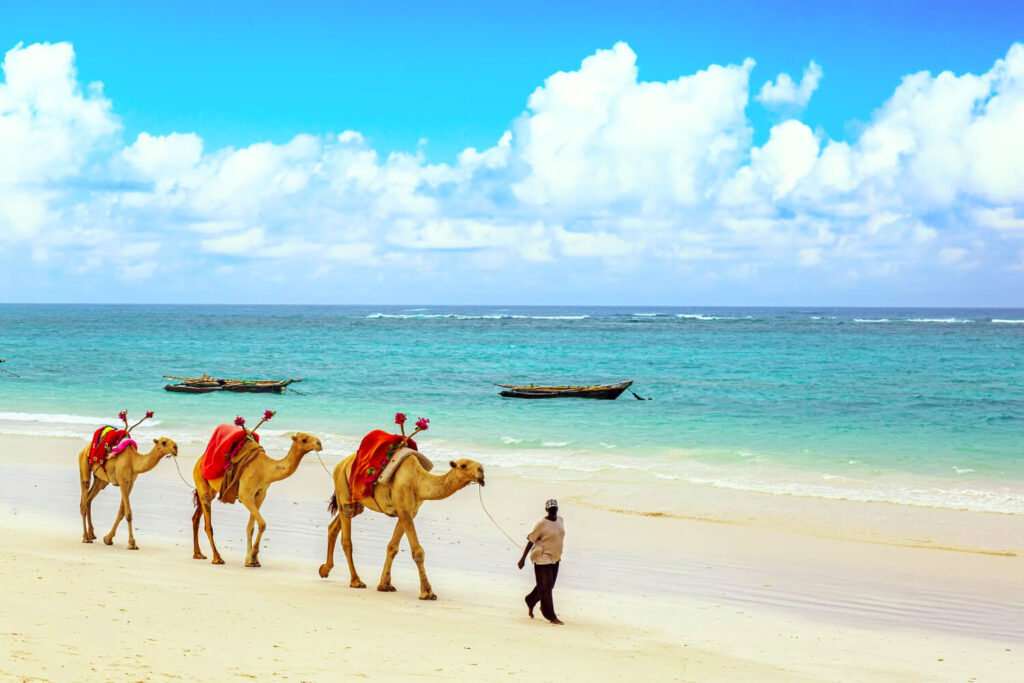 10 Days / 9 Nights
Beach Safaris
10 Days Kenya Safari & Diani Beach Holiday
This 10-day Kenya journey follows a practical route built around amboseli elephants, lake naivasha boat trip, masai mara…
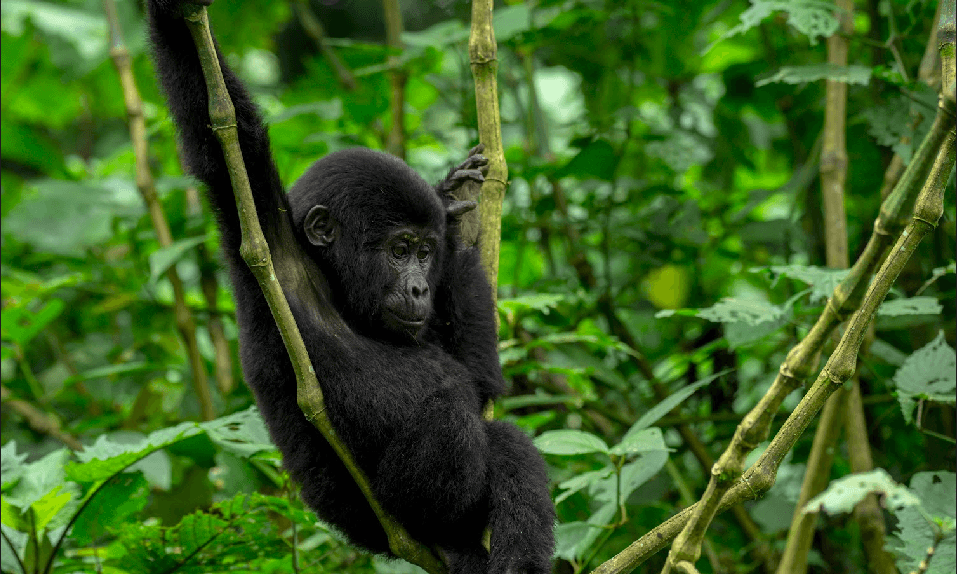 6 Days / 5 Nights
Gorilla Safaris
6 Days Uganda Chimpanzees & Gorilla Extension
This 6-day Uganda journey follows a practical route built around chimpanzee tracking in kibale, bigodi wetland walk, mountain…
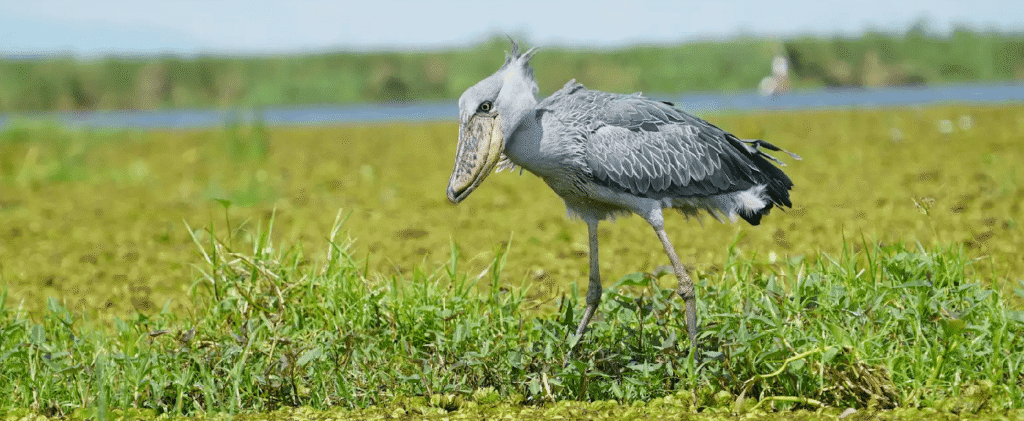 12 Days / 11 Nights
Birding Safaris
12 Days Uganda Birding & Primates Safari
This 12-day Uganda journey follows a practical route built around shoebill search in mabamba, kibale and bigodi birding,…