
Private Safari or Group Safari: Which Suits You?
A practical guide to private safari or group safari: which suits you, covering timing, route planning, transport, accommodation and realistic expectations. Use it to understand the main decisions before booking and to build a…
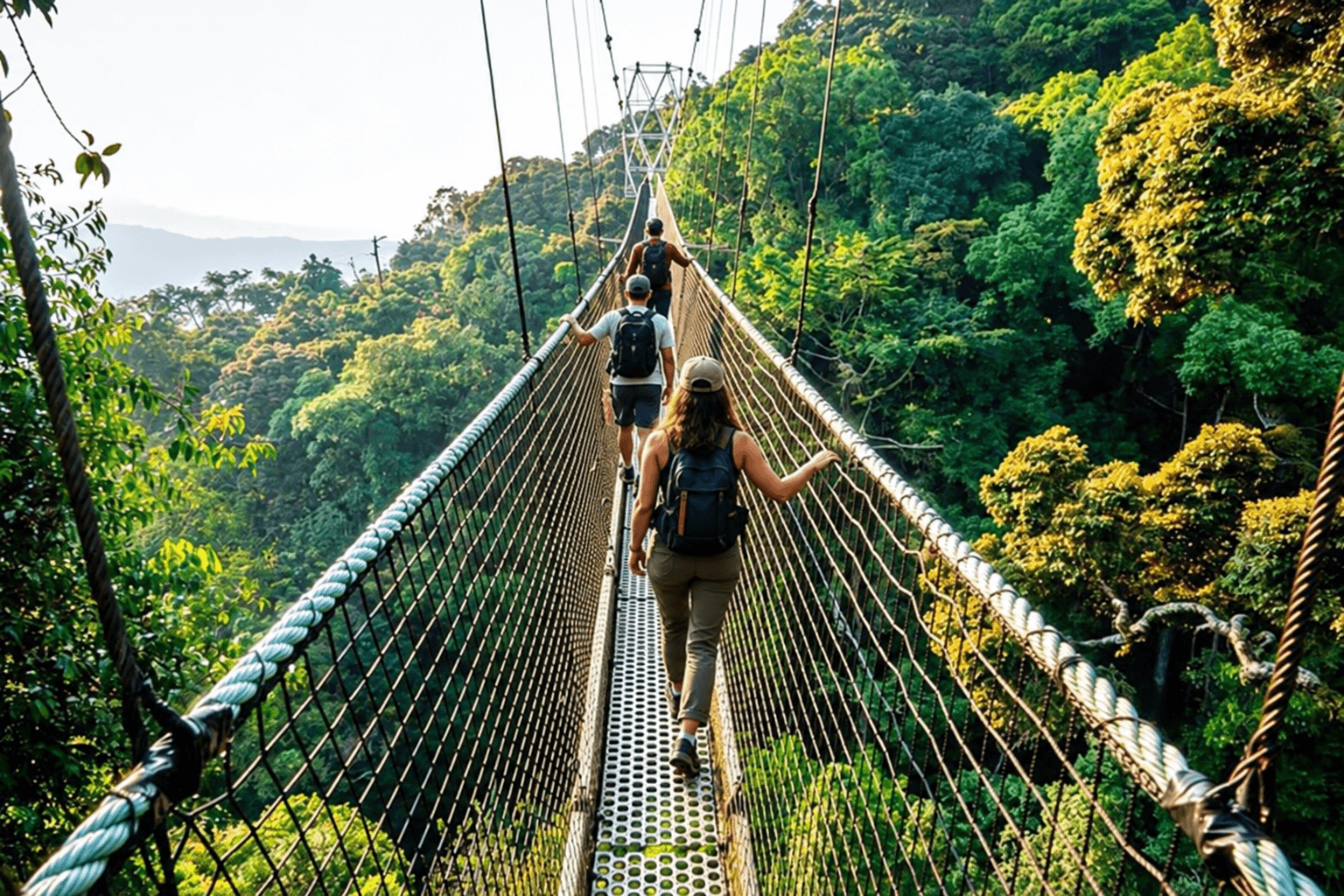
Private versus group safari is easier to understand when you look beyond a simple checklist. A good safari decision begins with realistic expectations, and private safari or group safari: which suits you is no exception. Private safaris allow the daily schedule to respond more easily to the interests and pace of one booking party. The aim here is to help you understand comparing flexibility, privacy, social atmosphere, timing and overall travel style rather than assuming one option is always better, so you can choose a route that feels manageable rather than crowded with too many stops.
Private versus group safari: the practical starting point
Group departures can suit travellers who enjoy sharing the experience and following a fixed plan. The right choice depends on budget, personality, photography priorities and how much flexibility you want. The useful question is not only where to go, but how the experience fits the rest of your route, your available days and your preferred travel pace.
For most travellers, private versus group safari works best when the main activity is given enough time rather than treated as a quick stop. That means allowing for briefings, transfers, weather changes and the possibility that a day develops differently from the original plan. A safari specialist can then adjust the sequence without weakening the experiences that matter most.
Start with the experience you want most
Travellers often begin with a list of places, but it is usually more useful to begin with a list of experiences. A park name alone does not tell you whether you will spend the day on a game drive, walking, boating, trekking or resting at the lodge. When you know the type of day you enjoy, the route becomes more personal. Group departures can suit travellers who enjoy sharing the experience and following a fixed plan.
This also helps prevent two neighbouring days from feeling too similar. The best choice supports your priorities without creating unnecessary pressure on the schedule.
Choosing dates without chasing a perfect month
Do not choose dates from a single weather chart. East African conditions vary by altitude, region and year, and an itinerary can cross several climate zones in one week. It is better to ask what conditions influence the specific experiences on your route. The right choice depends on budget, personality, photography priorities and how much flexibility you want. If a particular event is seasonal, build some flexibility around it rather than assuming nature will follow an exact calendar. The best choice supports your priorities without creating unnecessary pressure on the schedule. For a related planning reference, see 10 Days Best Uganda Safari, which fits naturally with this part of the journey.
Building a route that actually works
A strong itinerary has a clear geographical logic. Consecutive destinations should connect without creating unnecessary backtracking, and active days should be balanced with easier ones. When a route includes several countries, border formalities or regional flights also become part of the design. One useful approach is to group similar experiences together only when the journey between them is short; otherwise, insert a contrasting stop that makes the transfer worthwhile.
Private safaris allow the daily schedule to respond more easily to the interests and pace of one booking party. The best choice supports your priorities without creating unnecessary pressure on the schedule.
Keep transfer days realistic
A useful planning check is to read the programme from morning to evening and imagine how the day will actually feel. Ask where breakfast happens, how long the transfer takes, when the activity begins and whether there is time to settle into the lodge before dinner. That simple exercise often reveals unrealistic assumptions early. It also helps you decide where an extra night adds real value and where a shorter stay is enough.
When conditions change, a little breathing room gives the guide more options and keeps the journey enjoyable rather than rushed.
Transport and travel days
Safari travel is rarely measured accurately by distance alone. Roads inside parks are slower, mountain routes can be winding, and border crossings introduce extra steps. For some itineraries, flying one long sector can protect two valuable days; for others, road travel is part of the experience. Ask for realistic door-to-door estimates rather than the fastest possible driving time.
That gives you a better sense of when you will actually reach the lodge and how much energy remains for an afternoon activity. The best choice supports your priorities without creating unnecessary pressure on the schedule.
Accommodation and daily comfort
Choose accommodation according to what happens the next morning. For an early trek or game drive, location can be more important than a long facilities list. For a rest day, the opposite may be true and you might value views, a pool, a spa or a peaceful lakeside setting. Mixing comfort levels is also possible. Many travellers prefer to spend more on the nights where location or privacy has the greatest effect and use straightforward lodges elsewhere.
The best choice supports your priorities without creating unnecessary pressure on the schedule.
Photography, weather and practical details
Practical preparation can improve the trip more than buying extra safari gear. Check baggage limits on regional flights, keep copies of travel documents, confirm visa and vaccination requirements close to departure and tell your operator about dietary or mobility needs early. Cameras and phones should be protected from dust and moisture. If photography is important, discuss seating and charging facilities before travel rather than assuming every vehicle or camp is arranged the same way. The best choice supports your priorities without creating unnecessary pressure on the schedule. For a related planning reference, see 6 Days Kenya Safari, which fits naturally with this part of the journey.
Common planning mistakes to avoid
Avoid judging an itinerary only by the number of inclusions. A programme can look impressive on paper yet feel tiring if every day starts before sunrise and ends after dark. Check how many nights are one-night stays, where the longest transfers fall and whether active days are back-to-back. Also confirm what is excluded, such as drinks, tips, optional activities or certain transfers, so the final trip does not create avoidable surprises.
The best choice supports your priorities without creating unnecessary pressure on the schedule.
A sensible way to put the trip together
Before confirming, read the itinerary as a daily schedule rather than a list of attractions. Look at where you sleep, how long you travel, what time activities begin and when there is room to rest. Ask questions about anything that feels vague. A strong safari plan should make logistical sense and still leave room for discovery. That balance is more valuable than squeezing one more park or activity into the final day.
The best choice supports your priorities without creating unnecessary pressure on the schedule.
Final planning thoughts
Private versus group safari should ultimately fit the way you like to travel. Use the itinerary as a framework, then adjust the number of nights, activity level and transport style until the journey feels realistic. The strongest safari plans are clear about priorities and flexible about the details that nature may change.
When you discuss private versus group safari with your safari planner, share your non-negotiable experiences, preferred pace, room needs and any mobility or dietary considerations early. That information is more useful than simply asking for the busiest possible programme. A well-balanced route gives you time to notice the landscape, listen to your guide and enjoy the moments between the headline attractions.
How to keep the itinerary comfortable
Before confirming the booking, ask for a clear explanation of the daily schedule and any parts that depend on availability or weather. Confirm how route design is handled, what happens if an activity time changes and which services are included in each transfer. It is also sensible to check baggage limits, payment stages and cancellation terms before committing. These details may feel administrative, but they protect the quality of the trip because everyone begins with the same expectations.
A transparent itinerary should explain what is fixed, what is flexible and which decisions can still be adjusted later.